
THE TEXAS HUNTING GUIDE · THERMAL & HOG HUNTING
Your First Thermal Hog Hunt in Texas: What to Expect
A straightforward guide to planning your trip, packing well, and arriving ready for your first night in the field.
By Texas Thermal Outfitters · Graham, Texas

Your first thermal hog hunt starts before dark: confirm your package, get comfortable with the equipment, dress for a night outdoors, and follow your guide’s directions. You do not need to arrive knowing every detail—you do need to ask the right questions.
Before you book
A good trip starts with a clear conversation about the people coming. Tell TTO whether your group includes first-time hunters, experienced rifle hunters who are new to thermal optics, or guests who mainly want to experience a guided night outdoors. Share any mobility concerns before choosing dates so the team can explain whether the planned hunt is a good fit.
Decide whether you want a single evening or a longer stay, then review the hunt pricing and package options. Ask for a clear breakdown of the hunt, equipment, ammunition, lodging, and any additional arrangements. Keep the written confirmation handy; it should be your reference for what is included in your booking.
Before paying a deposit, settle the practical details: meeting location, arrival time, expected time in the field, group arrangements, and the cancellation or weather policy. If you are traveling a long distance, ask how the team communicates schedule changes. The fewer loose ends you leave until arrival, the more attention you can give the hunt itself.
Getting ready with your guide
Arrive with enough time to get organized without rushing. Have your boots and outer layers accessible, keep personal gear together, and make sure everyone in the group knows the confirmed meeting point. A delayed arrival can make the beginning of the evening feel hurried, especially when several guests need equipment familiarization.
Use the briefing to understand how the guide wants the group to communicate and move. Confirm where to stand, when equipment will be handled, and what to do if you cannot hear an instruction. If something is unclear, ask before leaving the meeting area. Good communication matters more than pretending to already know the routine.
If thermal optics are new to you, ask to become familiar with the display and controls under the guide’s supervision. Explain any eyesight, hearing, or equipment-fit concerns early. Being comfortable with the setup helps you concentrate on instructions once you are in the field.
Expect the plan to be explained around the conditions that evening. Travel between areas, observation, waiting, and changes of location can all be part of a guided outing. Treat the schedule as a working plan rather than a promise that wildlife will appear at a particular time.
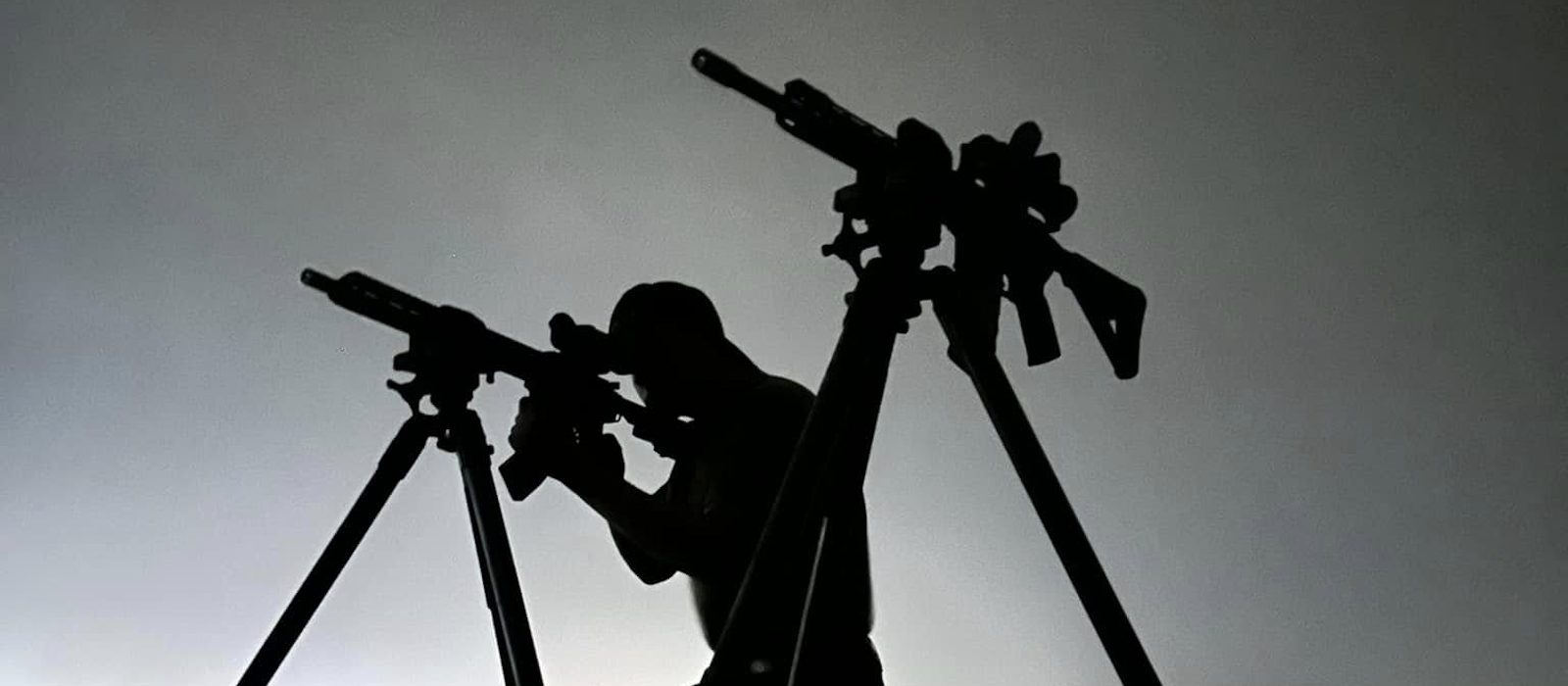
What makes a thermal hunt different?
Thermal optics create an image from differences in infrared energy, allowing you to observe a scene without relying on visible light. The view is different from a daytime riflescope: familiar objects may look unfamiliar, and a visible heat signature does not automatically provide enough detail to identify an animal.
The distinction between spotting something and positively identifying it is fundamental. Follow the guide’s directions, keep track of the group, and never treat a bright or dark shape on a display as permission to act. A clear understanding of the animal and its surroundings comes first.
Thermal equipment also has limits. Solid cover can obscure what is behind it, and rain, fog, and atmospheric conditions can reduce useful image detail. The equipment supports observation; it does not remove the need for judgment, patience, or a guide who understands the property.
For a first trip, focus on learning what the display is showing and listening carefully. There is no benefit in rushing an unfamiliar view. Ask for clarification whenever you cannot confidently follow what the guide is describing.
What to bring
Pack for the full evening outside, including the time spent waiting or traveling between areas. Keep your kit practical and easy to manage. A few well-chosen items are more useful than a large bag full of equipment you have not discussed with the outfitter.
- Quiet, adaptable clothing: wear comfortable layers that you can add or remove. Check the forecast shortly before departure and have a weather layer available when needed.
- Broken-in boots: choose secure footwear for uneven ground. A hunting trip is a poor time to discover that new boots rub or do not fit.
- Personal essentials: bring drinking water, necessary medication, and any personal items you need for an extended evening. Tell the team about needs that affect the schedule before arrival.
- Light and power: bring a small light and a charged phone, but ask when and where lights may be used. Keep screens and unnecessary noise to a minimum when directed.
- Hearing and eye protection: confirm the protection appropriate for the planned equipment and what the outfitter supplies. Do not assume that a particular firearm setup removes that need.
- After-hunt supplies: keep clean clothes and a bag for muddy gear in your vehicle. If you plan to keep meat, arrange handling, cooling, and transport with the team before the hunt.
- Personal hunting equipment: get approval before bringing your own rifle, ammunition, or optics. Confirm compatibility and any check-in requirements instead of assuming your usual setup is part of the plan.
For a separate packing reference, read what to bring on your Texas hog hunting trip. Use your booking confirmation to finalize the list for your particular visit.

Plan the whole trip
Build the trip around a late finish. Leave room to eat beforehand, arrive on time, and get adequate rest afterward. If you are driving home, plan that decision realistically before the evening starts rather than waiting until everyone is tired.
If you need accommodations, review TTO’s lodging information and confirm availability for your dates. Ask about check-in, sleeping arrangements for your group, and travel between the accommodations and meeting location. Lodging should be confirmed as part of your travel plan rather than assumed to be included.
Discuss the end of the hunt, too. If keeping meat is important to your group, ask who handles recovery, field care, processing arrangements, and transportation, along with any associated costs. Make those arrangements before departure so there is a workable plan if your hunt is successful.
Finally, keep expectations grounded. You are booking a guided experience involving wild animals. Sightings, animal movement, and harvest opportunities can vary, and patience is part of the outing. Arriving prepared and working well with your guide helps you make the most of the opportunities the evening provides.
Review thermal hog hunt details, check current package information, or contact TTO to work through dates and group needs.
Common questions before your first hunt
KEEP EXPLORING
More from the field


The Evolution of Thermal Hunting
See how thermal technology changed hog hunting in Texas.
